The Current State of Fast Fashion: H&M, Zara, SHEIN & More
16 0
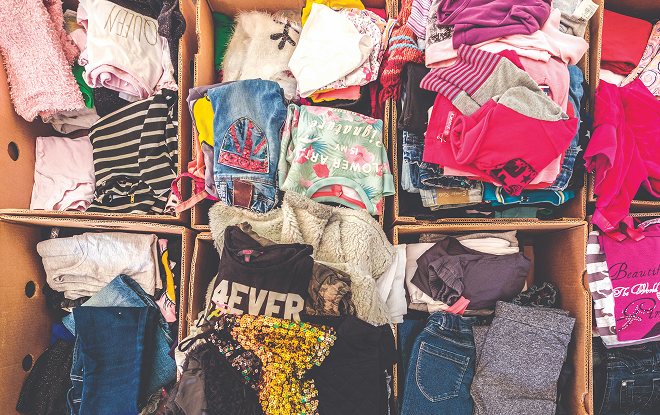
The low price of fast fashion comes at a great cost to people and our planet. When we buy less and buy better, we help slow the fast fashion machine. (Photo: Getty Images)
How many times have you brought a new item for an event without even checking what you already own? Or shopped the latest trend only to wear it a handful of times?
Every day we’re encouraged to consume. Whether it’s updating our wardrobe for the spring season, or taking advantage of the latest online sale, we’re constantly sold the message that ‘more is better’.
Our increased consumer habits have been encouraged by fast-fashion giants for years for one simple reason: there’s big money in keeping consumers coming back.
What is fast fashion?
Fast fashion are clothes – usually made from cheap, synthetic materials – manufactured for speed to give consumers maximum choice and companies maximum profit. It’s an industry that entirely capitalises on trends and consumers’ overconsumption.
The number of garments produced annually has doubled since 2000, and fast fashion is to blame. In fact, more than 100-150 billion items of clothing are now produced globally each year, requiring vast resources to produce and most end up in landfill anyway. Once there, they often take decades or even centuries to break down, all the while releasing harmful chemicals into the environment.
But the impact goes well beyond environmental degradation. The fast fashion machine demands huge quantities of garments be produced for very low prices in very short timeframes putting immense pressure on the supply chains producing them. This creates the perfect conditions for exploitation as factories require excessive overtime to deliver orders or cut corners on safety to keep costs down.
This often leads to unethical production practices and worker exploitation in which the men, women, and even children who make our clothes are pressured to work excessive hours in unsafe conditions for less than a living wage. They are usually people already living in poverty, struggling to get by and have limited alternatives to survive. For children, it means being denied the opportunity to attend school or enjoy a childhood.
How do we slow fast-fashion down?
Slowing down the fast fashion machine requires more than voluntary action from fashion companies, which have shown only meager improvement (0.2%) since last assessed in the 2024 Ethical Fashion Report. The 2026 Ethical Fashion Report also reveals that 57% of companies have not assessed the risk of overproduction or implemented any strategies to reduce their impact.
We need stronger legislation and government policies to hold companies accountable and to stop modern slavery from entering our supply chains. We also must consider our role as consumers in fueling the machine. We may not be responsible for creating the industry, but we are participants in it. Adjusting our small, everyday consumer choices can help slow the machine down.
That’s why Tearfund’s created the 2026 Ethical Fashion Guide, in partnership with our friends at Baptist World Aid Australia, to help you identify which fashion brands are making progress towards the ethical treatment of their workers and paying a living wage, and which ones aren’t doing enough. The Guide, paired with better shopping habits, like buying less and shopping secondhand, can help create a fairer, more just fashion industry.
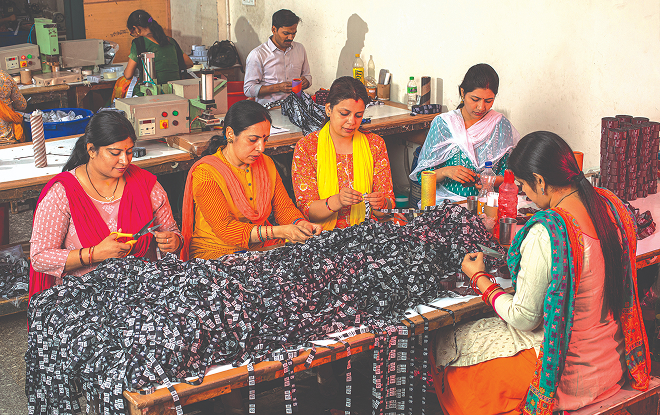
TEMU’s continued lack of transparency in their production practices and supply chains indicates that labour exploitation is likely present and that workers are not earning a living wage. (Photo: Getty Images)
So next time you’re thinking of buying something new, stop and think if you really need it or if you already own something that is just as good. Many Kiwis already know they have too many clothes. In fact, polling research conducted by Tearfund in 2024 found 1 in 2 New Zealanders agree they already have more clothing than they need and there are already enough clothes on our planet to dress the next six generations. Reusing what we already own, borrowing from a friend, or shopping secondhand are all great ways to slow the machine down.
If you really need to purchase something new, then consult the Ethical Fashion Guide’s online Brand Checker before you buy to find brands that are making progress towards more ethical production. The Brand Checker awards each brand a score out of 100, based on their performance in key indicators like tracing and risk, supplier relationships and human rights, and worker empowerment and living wages. The lower the score, the higher the risk of exploitation.
See how your favourite brands stack up in the online Brand Checker.
Each brand is also given a colour grade that indicates how ethical it is compared to their peers in their industry. But don’t be fooled by sustainability claims or a green circle. The average score of the more than 540 companies assessed in this year’s report is only 37/100, indicating the industry still has a long way to go to reach ethical production practices. A green circle does show, however, they are ahead of their peers. The more consumers shop at these brands, the more pressure is put on the wider industry to do better.
How did fast-fashion companies stack up in the Ethical Fashion Guide?
Popular fast-fashion brands Zara, H&M, Supre, Cotton On, Dotti and Showpo, alongside ultra-fast fashion brands Temu, Shein, Boohoo, Princess Polly and Missguided were all assessed in this year's Ethical Fashion Guide.
Here’s how some of the biggest fast fashion brands stack up.
Princess Polly | 63/100
Tracing and Risk: Better
Supplier Relationship: Better
Worker Empowerment: Average
Zara | 61/100
Tracing and Risk: Better
Supplier Relationship: Better
Worker Empowerment: Average
H&M | 48/100
Tracing and Risk: Better
Supplier Relationship: Average
Worker Empowerment: Average
Glassons | 46/100
Tracing and Risk: Average
Supplier Relationship: Average
Worker Empowerment: Poor
Hallensteins | 46/100
Tracing and Risk: Average
Supplier Relationship: Average
Worker Empowerment: Poor
Supre | 40/100
Tracing and Risk: Better
Supplier Relationship: Average
Worker Empowerment: Poor
Cotton On | 40/100
Tracing and Risk: Better
Supplier Relationship: Average
Worker Empowerment: Poor
Boohoo | 40/100
Tracing and Risk: Average
Supplier Relationship: Average
Worker Empowerment: Poor
Shein | 28/100
Tracing and Risk: Average
Supplier Relationship: Average
Worker Empowerment: Poor
Missguided | 28/100
Tracing and Risk: Average
Supplier Relationship: Average
Worker Empowerment: Poor
Dotti | 20/100
Tracing and Risk: Average
Supplier Relationship: Poor
Worker Empowerment: Poor
Showpo | 23/100
Tracing and Risk: Average
Supplier Relationship: Average
Worker Empowerment: Poor
Temu | 0/100
Tracing and Risk: No Evidence
Supplier Relationship: No Evidence
Worker Empowerment: No Evidence
Click here to search all 543 brands assessed in this year's Ethical Fashion Report.
Some fast fashion brands have shown improvement since last assessed in 2024. Shein, for example, has moved up 8 points from 20/100 to 28/100. However, while this is progress, the speed at which the fashion industry is progress simply isn’t cutting it. By Baptist World Aid Australia’s projections, garment workers are still decades away from fair treatment and living wages. Even the higher-scoring brands still capped out at 63/100 and scored only ‘average’ in worker empowerment. And only 4% of companies assessed are committed to paying their garment workers a living wage.
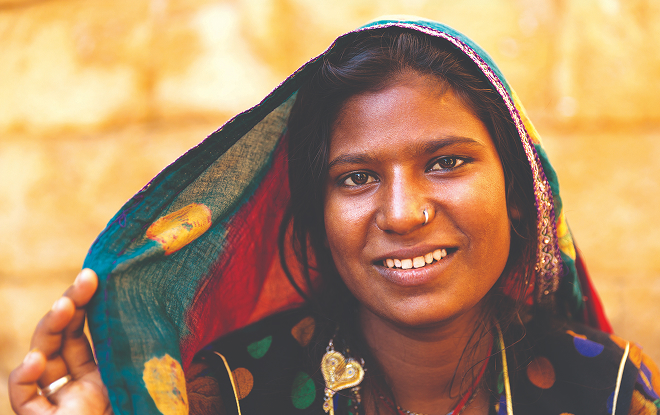
To stop labour exploitation, we must tackle the root causes, like poverty, that make people vulnerable to exploitation in the first place. (Photo: Getty Images)
People being exploited for our fashion simply cannot wait, and the industry must do better. When we buy less and buy better, we can help put pressure on the industry that is flatlining when it comes to workers’ rights. When we advocate for modern slavery legislation and stricter rules for fashion companies at the government level, we can create systemic change.
But we can’t stop there.
To create a fairer, more just world, where all people are free of exploitation, we must tackle the root causes of exploitation – like poverty – that make people vulnerable in the first place.
Tearfund works to end exploitation and modern slavery globally by helping low-income communities learn how to protect themselves from exploitation, building sustainable and safe livelihoods, and strengthening laws to better protect people from harm.
Your financial support towards Tearfund’s vital work to combat modern slavery and exploitation can help make real change for vulnerable people trapped in exploitation, provide care to survivors of modern slavery as they rebuild their lives, and help change laws to better protect people from harm.
Help protect vulnerable people from trafficking and exploitation.
Give freedom

Brought to you in partnership with Baptist World Aid Australia