We’re told our clothes tell a story about us, a story of self-expression and how we want to be perceived in the world. But woven into the fabric of our clothes are the stories of the people who made them too. And when we pull the thread, even just a little, we discover a disturbing truth: from sourcing materials to factory floors, people in poverty are being treated as disposable as the clothes, shoes and accessories they make while fashion giants make billions.
The Ethical Fashion Guide, developed in partnership with our friends at Baptist World Aid Australia, is changing that by helping you know which fashion brands are making progress towards the ethical treatment of their workers and which ones aren’t making the cut. Consider it your go-to shopping companion to help you shop not just within your budget, but within your values.
Use our new online Brand Checker to see how your favourite brands score in the Ethical Fashion Guide.
The Brand Checker contains popular stores like Zara and H&M, major fashion houses such as Gucci and Dior, discounted online stores, Temu and SHEIN, and many more. This year, 138 companies representing 543 brands worldwide were assessed and awarded an ethical score out of 100, based on their performance in key areas including human rights, worker empowerment, and paying living wages.
If you’re interested in learning more about the research behind the scores, you can read the full Ethical Fashion Report here.
How do New Zealand's well-known brands score?
Three popular clothing and outdoor brands in New Zealand made this year’s top 10 list of global brands demonstrating real effort to improve the treatment of their workers. These include Rodd & Gunn, Kathmandu, AS Colour and are all considered more ethical picks for Kiwi consumers.
Popular stores, Glassons and Hallensteins, alongside icebreaker, Canterbury of NZ, and MacPac ranked further down the list. While they are considered less ethical picks compared to the top three brands, they are on the right track with continued effort.
Postie, a popular affordable clothing store for families, and Bobux, a children’s footwear brand, both scored within the bottom 40 per cent of companies assessed, ranking them among the least ethical options for consumers.
See how more than 500 global brands stack up on the Brand Checker.
How ethical are the fashion brands available in New Zealand?
Each brand is awarded a total score out of 100, reflecting their progress towards the highest ethical fashion standard. The scores are determined by how well each brand performs across five categories, three which we have focused on are:
- Tracing & Risk: A company has reached the highest ethical standard when it can fully trace and is transparent about its suppliers at all stages of its supply chain.
- Supplier Relationships & Human Rights Monitoring: For a company to be truly ethical, they must have fair and responsible policies and practices for supplier orders and contracts, monitor labour rights standards throughout its supply chain, and actively address risks of forced labour, child labour, human trafficking, gender inequality, and discrimination.
- Worker Empowerment: A company should pay a living wage or be able to show documented progress towards this goal. Initiatives to educate workers on their labour rights should be supported, and workers should be free to form unions and collectively bargain for their rights. Workers should be free to lodge complaints anonymously and in their native languages.
Rodd & Gunn | 72
Rodd & Gunn is a premium New Zealand-born menswear brand established in 1946.
Tracing & Risk: Better
Supplier Relationship: Better
Worker Empowerment: Average
Kathmandu | 70
Kathmandu offers a premium range of outdoor clothing, footwear, accessories and gear for men, women and kids.
Tracing & Risk: Better
Supplier Relationship: Better
Worker Empowerment: Average
AS Colour | 67
AS Colour (short for "apparel studio") is a clothing retailer and manufacturer from New Zealand specialising in premium blank apparel – including t-shirts, hoodies, activewear, jackets, and headwear – for men, women, and children.
Tracing & Risk: Better
Supplier Relationship: Better
Worker Empowerment: Average
Macpac | 56
Macpac is a New Zealand-based brand specialising in outdoor recreational equipment – including backpacks, sleeping bags and technical clothing – founded in 1973 and currently owned by the Australian company Super Retail Group.
Tracing & Risk: Better
Supplier Relationship: Better
Worker Empowerment: Poor
Glassons | 46
Glassons is a popular, multinational womenswear fashion brand founded in New Zealand in 1918. It is headquartered in Sydney, Australia and Auckland, New Zealand.
Tracing & Risk: Average
Supplier Relationship: Average
Worker Empowerment: Poor
Hallensteins | 46
Hallensteins is a popular men's fashion, street, and lifestyle retailer originally founded in New Zealand in 1873. Together with Glassons, it is owned by Hallenstein Glasson Holdings Limited.
Tracing & Risk: Average
Supplier Relationship: Average
Worker Empowerment: Poor
Icebreaker | 46
Icebreaker is an outdoor and performance outdoor clothing brand headquartered in Auckland, New Zealand. It prioritises using natural and plant-based fibres, like merino wool, in its products.
Tracing & Risk: Better
Supplier Relationship: Average
Worker Empowerment: Poor
Canterbury of NZ | 39
Canterbury of New Zealand is a New Zealand sports equipment manufacturing company focused on rugby and established in 1904.
Tracing & Risk: Better
Supplier Relationship: Average
Worker Empowerment: Poor
Postie | 21
Postie (formally Postie Plus) is a New Zealand clothing store chain selling women's clothing, kids' and babywear, men's fashion and more. It was founded in 1909.
Tracing & Risk: Average
Supplier Relationship: Poor
Worker Empowerment: Poor
Bobux | 19
Bobux is a New Zealand-based children’s shoe brand founded in 1991. It was acquired by Munro Footwear Group in 2023.
Tracing & Risk: Average
Supplier Relationship: Poor
Worker Empowerment: Poor
Garment workers deserve fair treatment and a living wage
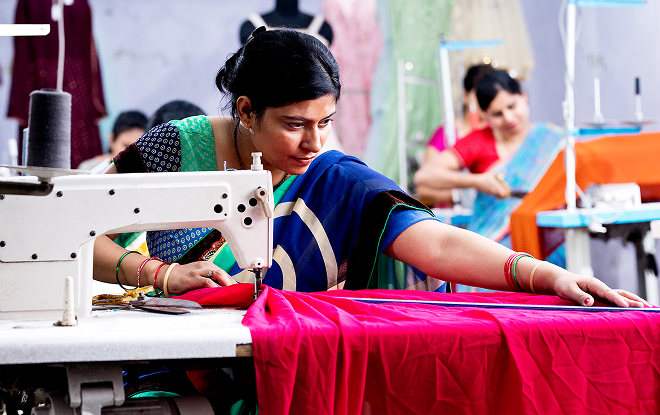
The fashion industry still has a long way to go to stop labour exploitation within its supply chains. Most garment workers are people already vulnerable to exploitation, such as people in poverty and migrant workers, and less than 4 per cent of brands have committed to paying them a living wage.
The threat of losing what little wages they earn keeps many garment workers trapped in a cycle of exploitation and poverty where they work just to survive. In desperation, little wages seem better than nothing at all.
Each of us can help rewrite the future of fashion – a future where workers are paid fairly, protected in their workplaces, and are able to provide for their families with dignity – by making informed choices about how we consume and from which brands we shop.
For example, we can buy less to help slow the fast-fashion machine. And we can use the Ethical Fashion Guide’s Brand Checker to buy better by prioritising brands making progress towards a fairer, more sustainable fashion industry.
Buying less and buying better are important steps to help stop labour exploitation in the fashion industry. However, if we want to stop exploitation in all its forms, we must tackle the root causes of poverty globally that trap vulnerable people in the first place.
Tearfund works to end exploitation and modern slavery globally by helping low-income communities learn how to protect themselves from exploitation, building sustainable and safe livelihoods, and strengthening laws to better protect people from harm.
Your support towards Tearfund’s vital work can help make real change for vulnerable people trapped in exploitation, provide care to survivors as they rebuild their lives, and help change laws to better protect people from harm.
Help protect vulnerable people from trafficking and exploitation.
Give freedom

Brought to you in partnership with Baptist World Aid Australia