Media Release
 |
87% of companies assessed in new report could not demonstrate paying a living wage to any worker in their supply chain. |
Fashion companies’ average score rose by just 0.2 points between 2024 and 2026, from 31.3 to 31.5 out of 100. In response, Tearfund is calling for stronger action from brands and governments to protect overseas workers making clothes and shoes sold in New Zealand.
The 2026 Ethical Fashion Report, produced by Tearfund’s longstanding partner Baptist World Aid Australia (BWAA), assessed 138 companies representing 543 brands. It scored each company out of 100 based on evidence of its efforts to protect workers and improve conditions, including how it traces suppliers, addresses forced and child labour risks, and demonstrates living-wage payment.
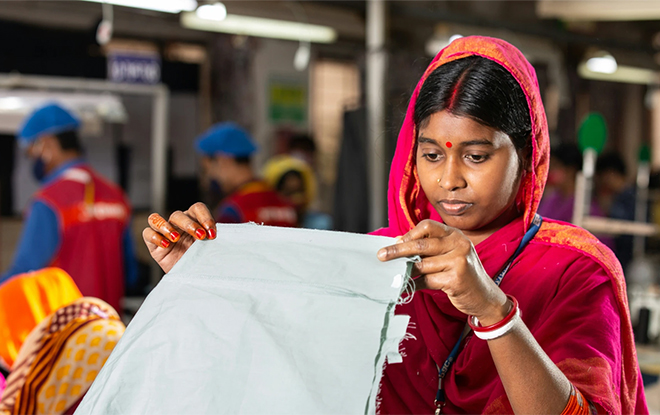
Workers' rights and wages fall short
Worker wellbeing and rights was the lowest scoring of the five assessment areas. It covers living wages, training on workers’ rights, access to grievance mechanisms and workers’ ability to organise and negotiate better conditions. Only 4% of companies have committed to pay living wages where finished clothing and footwear are manufactured or assembled.
Low wages can trap overseas workers making clothes and shoes sold in New Zealand in poverty, even when they work long hours or overtime. A living wage enables workers to afford basics, like food, housing, healthcare and schooling for themselves and their families, based on local costs. When wages fall short, workers may take on debt, work excessive overtime or sacrifice essentials to get by, increasing their vulnerability to exploitation.
The Report also found that 52% of companies had no established process to respond to child and forced labour violations in their final-stage factories.
Claire Gray, Head of Advocacy at Tearfund New Zealand, says the findings show why brands’ commitments must translate into better protection for workers.
“It’s disappointing that worker empowerment is consistently the industry’s weakest area and that it shows no signs of changing. We can see that companies are progressing on the easier, more marketable improvements, but failing to take action on the issues that would materially change workers’ lives. Until brands confront how their own behaviour like pricing, forecasting and ordering practices affect wages and working conditions, meaningful progress for workers will remain out of reach and the people who make our clothes and shoes will pay the price.”
What needs to change
Tearfund says the fashion industry has stalled despite claims of progress, and fashion brands must make significant effort to improve wages and conditions for workers in their supply chains. It is also advocating for modern slavery legislation in New Zealand that requires businesses to identify, prevent and address exploitation, rather than simply report on risks.
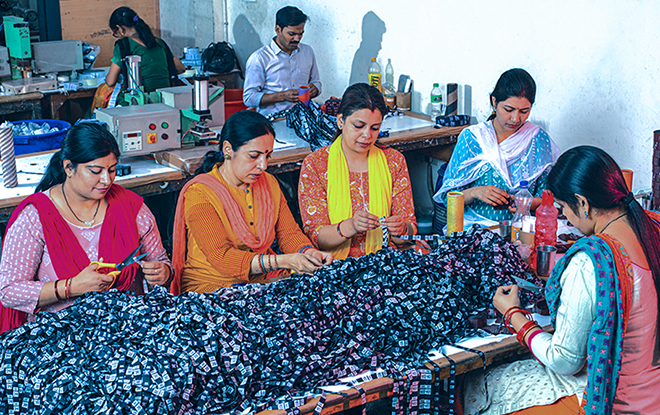
Three well-known brands in New Zealand among the top 10
Positively, some brands are demonstrating effort to close the gap, including three beloved brands in New Zealand – Rodd & Gunn, Kathmandu, and AS Colour – who are among the 10 highest-scoring brands assessed. However, while these brands demonstrated a stronger performance than their peers in the industry, significant gaps where exploitation can occur were still identified and living wages are still lacking for the majority.
Tearfund launches new consumer tool
Tearfund is launching the 2026 Ethical Fashion Guide in New Zealand today, in partnership with Baptist World Aid Australia, whose research underpins the Guide.
The Ethical Fashion Guide's new Brand Checker lets shoppers compare clothing and footwear brands before buying to help shoppers compare brand scores and evidence of their efforts to protect workers overseas.
The Guide encourages shoppers to buy less, consider buying second-hand, and where possible, choose brands with stronger evidence of efforts to protect workers. People can use the results of the Guide’s Brand Checker to make informed choices within their budgets and select brands that are showing efforts to improve.
With limited progress, Tearfund says consumers’ shopping choices matter to moving the industry forward in a positive direction. However, brands themselves must do more to close the gap for workers quicker, and governments must instil stronger laws to stop modern slavery in our supply chains.
Tearfund also calls for action to address the poverty that leaves people vulnerable to exploitation in the first place, forcing them into exploitative workplaces just to survive. Through local partners, Tearfund helps people in low-income communities globally understand their rights, supports survivors of exploitation, and advocates for stronger protections and laws.
The Ethical Fashion Guide's online Brand Checker is available online here.
Go to Ethical Fashion Guide
The full Ethical Fashion Report can be downloaded here.
About Tearfund

Tearfund New Zealand is a faith-based aid and development organisation, advocating against injustice and poverty, serving under-resourced and marginalised communities across the Pacific, Africa, Asia, and South America. Its work includes child development, farming and enterprise, disaster and conflict response, and tackling modern slavery.
www.tearfund.org.nz
About Baptist World Aid Australia (BWAA)

Assessment methodology and company research for the Ethical Fashion Report was developed and conducted by Baptist World Aid Australia. The Ethical Fashion Guide and Brand Checker were developed by Tearfund New Zealand using this research.
www.baptistworldaid.org.au