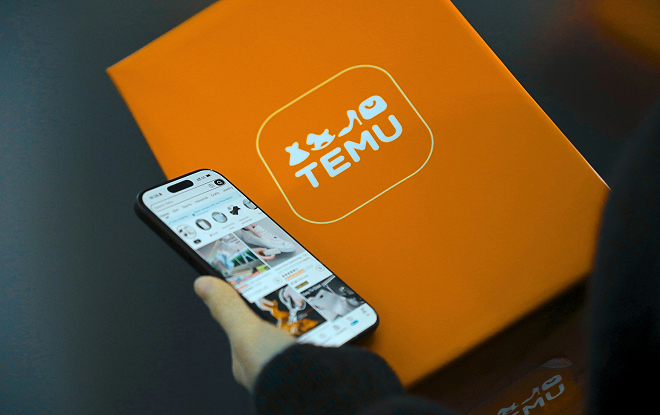
More than 1 in 4 Kiwis were found to shop on the ultra-fast fashion giant in 2024, according to researched conducted by Tearfund New Zealand. (Source: Unsplash)
We all love a good deal. That T-shirt for only $5? Yes, please. Those cute earrings for only $4? Add to cart.
This is the allure of TEMU who says with them, we can ‘shop like a billionaire’. But the truth is more harrowing: the people who make the products are paying the price to keep prices so low.
So, what is TEMU and how does it fit into ultra-fast fashion? Let’s dive in.
Who really pays the price to keep our prices low?
TEMU is an online discounted marketplace that sells a massive variety of low-cost products, including clothing, electronics, homewares, children's toys, and more. It is owned by Chinese e-commerce giant PDD Holdings, and is a way for manufacturers and suppliers to deliver their product directly to consumers without having to rely on wholesalers, distributors, or retail stores.
TEMU gained a lot of popularity since it landed in New Zealand in 2023. More than 1 in 4 Kiwis shop the marketplace, according to research conducted for Tearfund New Zealand by Horizon Research in 2024. Globally, it had nearly half a billion monthly active users as of June 2026.
The direct-to-consumer model allows manufacturers to offer their products at very low prices, while the use of cheap, synthetic fibres and a high volume of purchasing drive the prices down even further.
This system has undeniably fuelled huge consumer demand and the manufacturers are under immense pressure to keep up with trends and move products fast while keeping prices low.
Is Temu ethical? The scores are clear.
The 2026 Ethical Fashion Report, in partnership with Baptist World Aid Australia, researched 138 companies representing 543 brands worldwide on ethical standards including fair treatment of workers, transparency in supply chains, and paying a living wage.
We compiled the research into a shopping companion for Kiwi consumers called the Ethical Fashion Guide, in which shoppers can check brands’ scores using our online Brand Checker and compare how they perform against their peers in the industry before they shop.
In 2026, TEMU scored 0/100—the same score it received in the last Ethical Fashion Report in 2024.
TEMU’s rock bottom score is a result of its striking lack of transparency and its decision not to provide any further evidence to the report’s researchers—yet again. Of publicly available information, there was no evidence of tracing and risk in their supply chains, details about their supplier relationships, or how they might be empowering thoseoverseas garment workers.
“Without transparency, consumers have no way of knowing whether a brand is doing what’s possible to ensure the welfare of their workers,” says Claire Gray, Tearfund New Zealand’s Head of Advocacy.
TEMU’s continued lack of transparency in their production practices and supply chains indicates that labour exploitation is likely present and that workers are not earning a living wage. (Source: Unsplash)
What are more ethical alternatives available in New Zealand?
While no brands listed in the 2026 Ethical Fashion Guide’s Brand Checker have yet to achieve the highest ethical fashion rating, the research does reveal many brands are making progress towards more ethical production practices.
Here are a few popular brands available in New Zealand Kiwis can consider instead of TEMU when shopping for something new.
AS Colour | 67/100
Tracing and Risk: Better
Supplier Relationship: Better
Worker Empowerment: Average
Princess Polly | 63/100
Tracing and Risk: Better
Supplier Relationship: Better
Worker Empowerment: Average
Zara | 61/100
Tracing and Risk: Better
Supplier Relationship: Better
Worker Empowerment: Average
Adidas | 61/100
Tracing and Risk: Better
Supplier Relationship: Better
Worker Empowerment: Average
Puma | 57/100
Tracing and Risk: Better
Supplier Relationship: Better
Worker Empowerment: Poor
Levi's | 53/100
Tracing and Risk: Better
Supplier Relationship: Average
Worker Empowerment: Poor
Lorna Jane | 53/100
Tracing and Risk: Better
Supplier Relationship: Average
Worker Empowerment: Average
New Balance | 51/100
Tracing and Risk: Better
Supplier Relationship: Better
Worker Empowerment: Poor
Should you stop buying at Temu?
If you can afford to, our advice is simple: stop. Prioritising brands doing the work to improve their production practices can help rewrite the future of fashioncreate a fairer, more just fashion industry—because when brands are rewarded for doing the right thing, others will follow in their footsteps.
If budget is a concern, we encourage you to look at your level of consumption. Do you tend to purchase several items, but at cheaper price points? If so, perhaps you can pool that money and purchase just one item from a brand with a higher score. Deciding to buy less and buy better is great both for your budget and our planet and can help relieve some of the pressure on garment workers to feed the fast fashion machine.
If money is a serious worry for you or your whānau, then our advice is to take care of yourselves and find wins where you can. The Ethical Fashion Guide is not intended to shame consumers for their choices but simply offer alternatives for those who can afford to take their dollars elsewhere. Other actions like shopping second-hand are just as impactful as they reduce the pressure on our natural resources as well as garments workers who are forced to produce more for less.
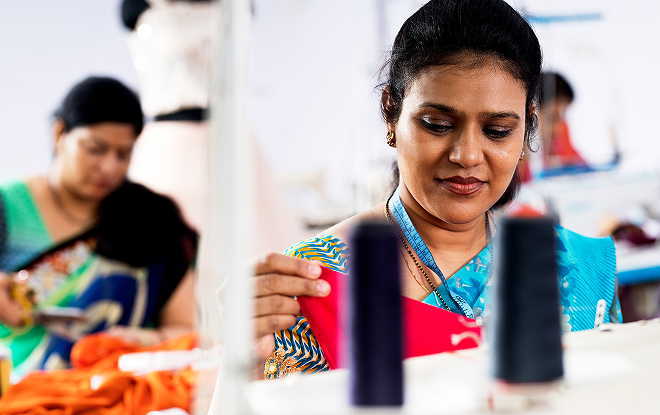
When we buy less and buy better, we contribute to a future where workers are paid fairly, protected in their workplaces, and able to provide for their families with dignity. (Source: Getty Images)
How you can help rewrite the future of fashion
When we choose to reuse, recycle, and repair the clothes we already own instead of buying more or buying new, we help reduce the environmental strain fast fashion puts on our planet and natural resources.
When we choose to buy better and prioritise brands doing the work by checking the Ethical Fashion Guide’s Brand Checker before we buy new, we help to slow down the ultra-fast and fast fashion machines and move towards more ethical production practices across the industry.
Search for your favourite brands using the Ethical Fashion Guide's Brand Checker.
These intentional steps can help rewrite the future of fashion—a future where workers are paid fairly, protected in their workplaces, and able to provide for their families with dignity.
These important steps can help stop labour exploitation in the fashion industry. However, if we want to stop exploitation for good, we must also tackle the root causes of poverty globally that trap vulnerable people in the first place.
Tearfund works to end exploitation and modern slavery globally by helping low-income communities learn how to protect themselves from exploitation, building sustainable and safe livelihoods, and strengthening laws to better protect people from harm.
Your financial support towards Tearfund’s vital work can help make real change for vulnerable people trapped in exploitation, provide care to survivors as they rebuild their lives, and help change laws to better protect people from harm.
Help protect vulnerable people from trafficking and exploitation.
Give freedom

Brought to you in partnership with Baptist World Aid Australia